PISA 2.jpg
EN
Download •
403.34 KB
•
image/jpeg
PISA (Programme for International Student Assessment) is an international assessment conducted by the OECD that evaluates the extent to which 15-year-old students can apply their knowledge and skills in reading, mathematics, and science to real-life situations. Rather than focusing on curriculum content alone, PISA measures competencies, problem-solving abilities, and critical thinking, providing insights into how well education systems prepare students for future challenges.
Assessment more broadly plays a central role in improving education quality by informing teaching, learning, and policy decisions. Effective assessment systems combine large-scale international assessments, national examinations, and classroom-based formative assessment. Together, these tools support evidence-based reforms, identify equity gaps, and help align curricula, teaching practices, and learning outcomes with international standards.
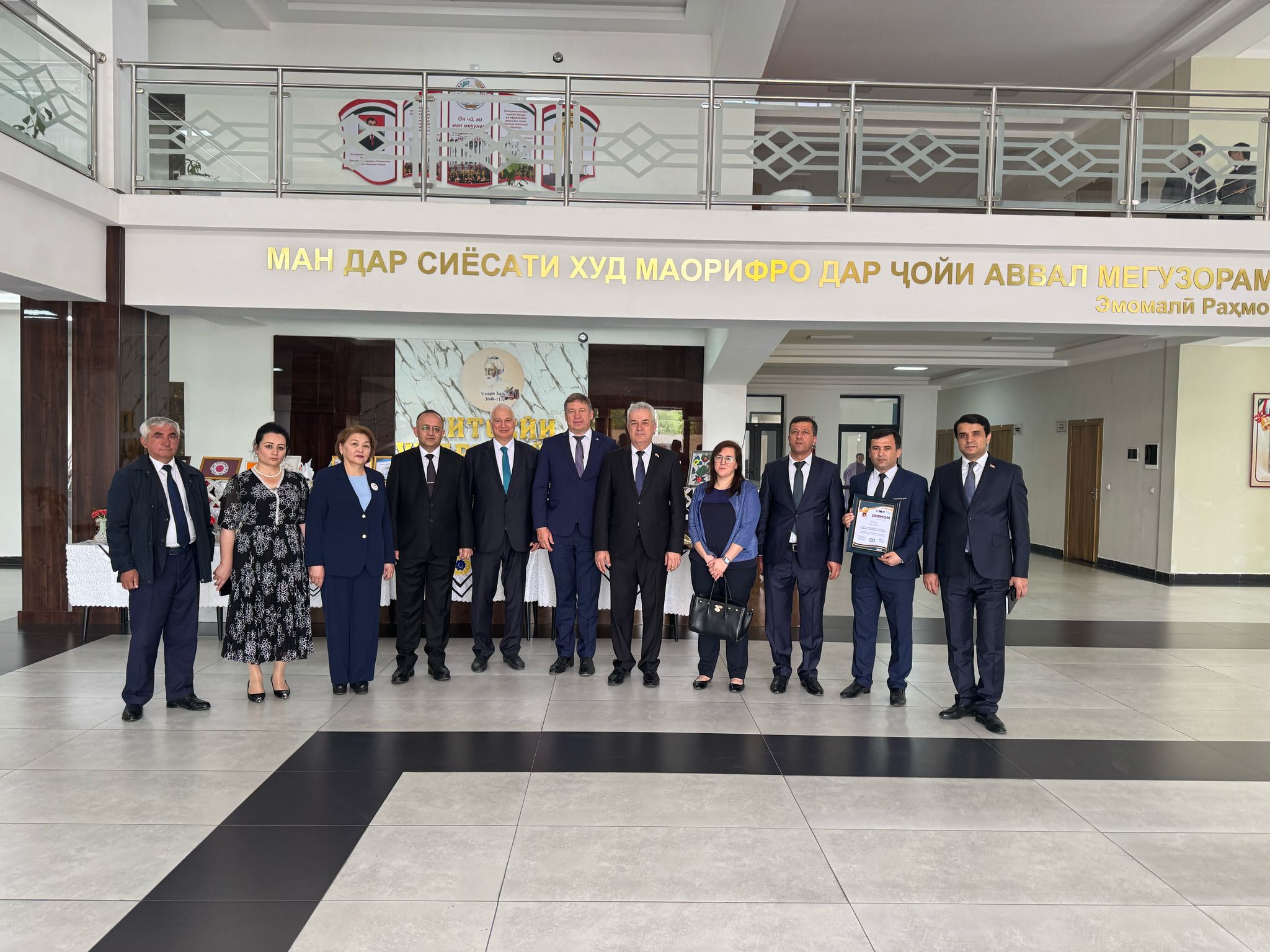
Tajikistan has made a historic leap in education reform by participating for the first time in the Programme for International Student Assessment (PISA) 2025. Supported by the European Union through the “Support to the Education and Labour Market Sectors of Tajikistan” project, this milestone demonstrates the country’s commitment to global education standards. PISA, led by the OECD, evaluates how 15-year-old students apply knowledge in reading, mathematics, and science to real-life challenges, with a 2025 focus on scientific literacy and “Learning in the Digital World.” Over 5,600 students from 160 schools in Dushanbe are participating