giz2025-ru-regional-scientific-conference-publication.pdf
EN
Боргирӣ кардан •
7.64 MB
•
application/pdf
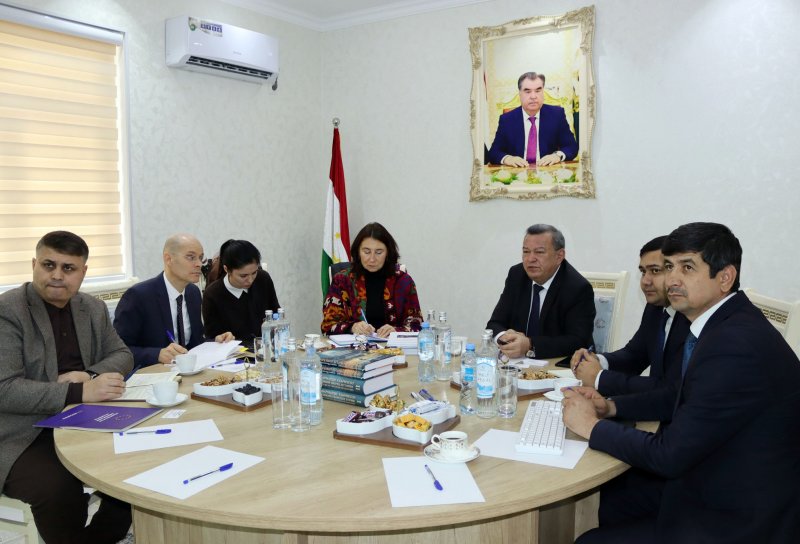
This collection of articles contains the proceedings of the II Regional Scientific-Practical Conference titled "Regional Aspects of Sustainable Development of Vocational Education: Challenges and Perspectives," held on October 24–25, 2023, in Tashkent. Organized by GIZ projects in cooperation with ministries from Central Asian countries, the conference focused on modernizing vocational education and training (VET) systems.
Below is a summary of the key aspects of the publication:
Main Goals and Objectives
Knowledge Exchange: Creating a platform for 250 specialists from Central Asia (Kazakhstan, Kyrgyzstan, Tajikistan, Uzbekistan), as well as Germany and Austria, to share expertise and best practices.
Addressing Skills Gaps: Finding ways to bridge the gap between graduate qualifications and employer requirements amidst a shortage of highly skilled workers.
Educational Transformation: Ensuring an effective transition to "green" and digital technologies while strengthening the economic and social resilience of the region.
Thematic Sections
The collection includes 43 scientific and practical articles divided into five key areas:
International and National Trends: Discussion of global trends such as applied bachelor's degrees, dual education, and the integration of "green" education into curricula.
Interaction with Business: Experience in cooperation between educational institutions and enterprises (e.g., the "ERG for Colleges" program) and the development of agricultural clusters.
Digitalization: The use of Artificial Intelligence, electronic educational resources (such as Wizer and EduPage services), and methodologies for distance and blended learning.
Capacity Building for Staff: Developing digital competencies for teachers, implementing student-centered and project-based learning, and mentoring.
Financing: Analysis of public-private partnership models and per-capita funding for educational institutions.
Key Highlights
"Green Skills": Special attention is paid to forming competencies for sustainable development and the transition to a green economy.
Dual Education: This is viewed as an effective mechanism for practice-oriented learning, particularly in the textile and agricultural sectors.
Quality Management: Research into quality management tools (e.g., Ishikawa diagrams, benchmarking) to improve educational services.
The materials in this collection are intended for ministry specialists, heads of educational institutions, and teachers aiming to modernize national vocational training systems.